
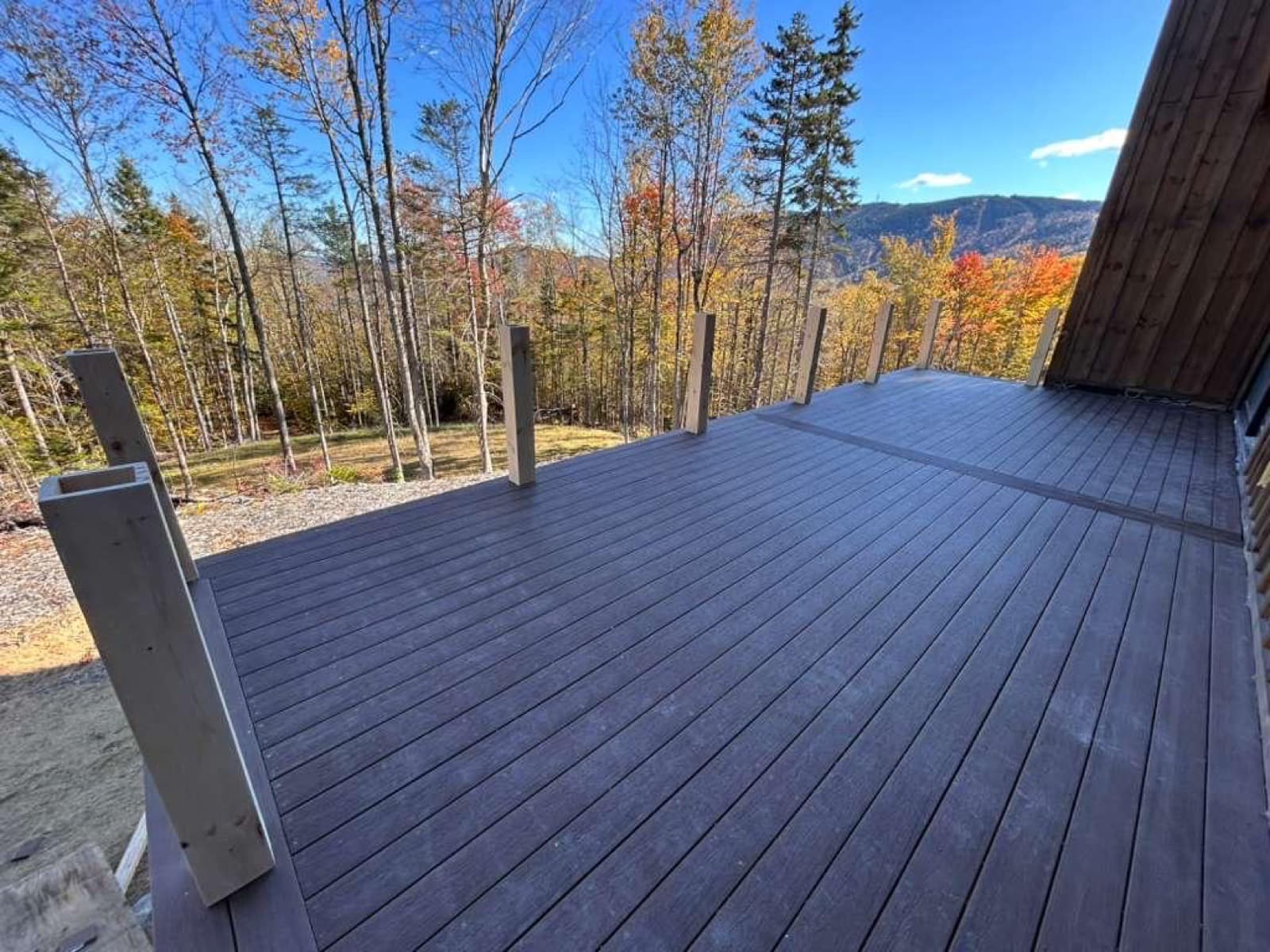
If you are planning a new deck around Greater Boston, timing matters more than most homeowners expect. New England throws four very different seasons at a project, and each one changes how fast the work moves, how the ground behaves, and even what you pay.
There is no single perfect week to start. The right answer depends on when you want to actually use the deck, how flexible you are on scheduling, and how patient you can be with permits and weather. This guide walks through the tradeoffs season by season so you can pick the window that fits your home and your goals.
At New Power Construction, we build decks and porches for families across Malden and the surrounding Boston area, and we offer free estimates year round. Below is the honest version of how each season plays out.
Spring: High Demand, Fast Payoff
Spring is the most popular season to build a deck in Massachusetts, and for good reason. The ground has thawed, the weather is workable, and finishing in spring means you get the full summer to enjoy the space.
The tradeoff is competition. Everyone has the same idea once the snow clears, so contractor calendars fill quickly and lead times stretch. If you want a spring build, the smart move is to lock in your estimate and permit in late winter, before the rush hits.
Early spring can also be muddy and unpredictable. A wet stretch can push excavation and footing work back by days, so build a little flexibility into your timeline rather than banking on an exact finish date.
Summer: Reliable Weather, Booked Calendars
Summer offers the most dependable building conditions of the year. Long daylight hours, dry ground, and stable temperatures let crews work efficiently and keep projects on schedule.
The catch is that summer is peak season, so if you did not book in spring you may be waiting a while for a slot. Materials like composite decking and pressure-treated lumber can also see tighter availability when demand is high across the region.
If you start a deck in early summer, you can still get plenty of use out of it before fall. Just know that starting mid-summer often means enjoying the finished deck the following year, which is still a fine plan if you are focused on quality over speed.
Fall: The Underrated Sweet Spot
Fall is one of the best-kept secrets for deck building in New England. The summer rush has eased, crews have more availability, and the cooler, drier weather is genuinely pleasant for construction.
The ground is still workable through much of the fall, so footings and framing go in without the mud of early spring or the frost of winter. Towns like Burlington and Lexington see plenty of fall projects for exactly this reason.
The main thing to watch is the calendar. As you move toward late fall, you are racing the first hard frost. Starting a fall deck early in the season gives you the best margin, and a finished fall deck means you are completely ready the moment spring arrives.
Winter: Possible, With Caveats
Building a deck in a New England winter is not impossible, but it comes with real limits. Once the ground freezes, digging footings becomes difficult and often requires extra effort or equipment, which can affect both timeline and cost.
On the upside, winter is the quietest season for contractors, so scheduling flexibility and attention are usually at their best. If your project is mostly above-ground work, or if you can get the footings in during a mild stretch, winter can move faster than you would think.
Cold temperatures also affect certain materials and fasteners, and snow can pause work entirely for days. Winter builds ask for patience, but for homeowners who want their deck done before the spring wave, it can be a worthwhile trade.
Scheduling and Lead Times: Plan Backward From When You Want to Use It
The single most useful planning habit is to work backward from when you actually want to enjoy the deck. If you want to host on it by early summer, that usually means booking in late winter or very early spring.
Lead times vary with the season and with how busy local crews are, so treat any timeline as a range rather than a fixed date. Weather, permit turnaround, and material availability all move the numbers around.
The earlier you get your free estimate on the calendar, the more control you have over your start date. Booking early does not lock you into building immediately, but it does secure your place in line before the busy months.
Permits and Frozen Ground: Two Things That Quietly Set Your Timeline
Most decks in Massachusetts require a building permit, and permit review takes time that has nothing to do with the weather. Each town runs its own process, and turnaround can stretch during busy building months when applications pile up.
Because of this, permitting is one of the best things to get moving in the off-season. Filing during winter or early spring means your approvals can be in hand right when building weather arrives, instead of waiting in a queue behind everyone else.
Frozen ground is the other quiet timeline setter. Deck footings in our climate need to reach below the frost line so they stay stable through freeze-and-thaw cycles. When the ground is deeply frozen, that digging is harder and slower. This is a big reason spring and fall tend to be the smoothest windows for the below-ground portion of the work.
Pricing by Season: What Actually Moves the Number
Homeowners often ask if they can save money by building in a specific season. The honest answer is that seasonal swings in labor and material pricing are usually modest and can shift year to year, so we never quote a season as a guaranteed discount.
What tends to matter more is demand. During the busiest months, crews and materials are stretched, and flexibility is limited. In quieter windows like late fall or winter, there can be more room in the schedule, which some homeowners find valuable in its own right.
The most reliable way to understand your specific cost is a free estimate on your actual project, since deck price depends far more on size, materials, height, and site conditions than on the month you build. We are always happy to walk you through the numbers for your home.